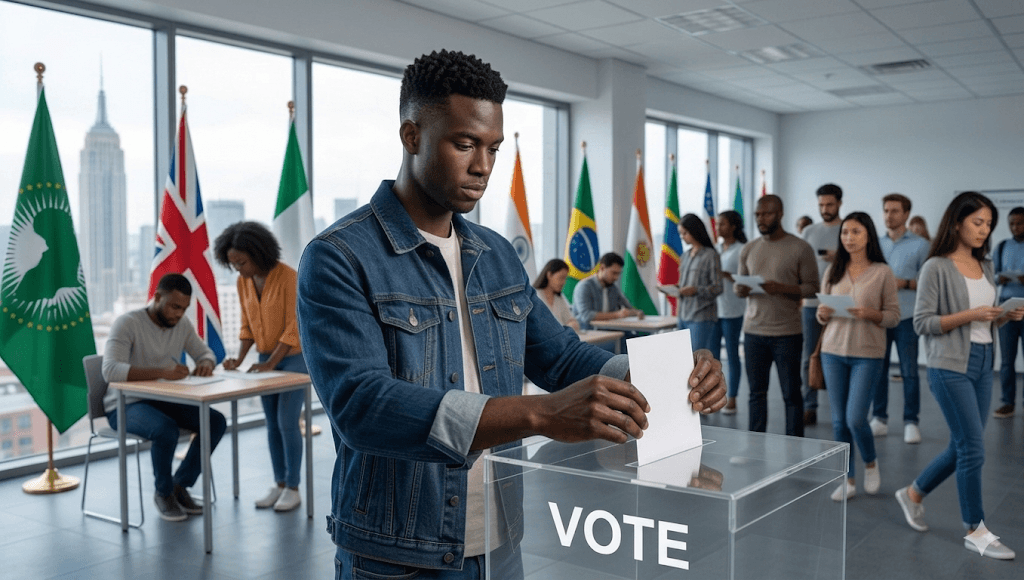
Diaspora voting is no longer a symbolic gesture. It is becoming one of the most important levers for strengthening democratic accountability, institutional reform, and inclusive governance across Africa. As millions of Africans continue to live, work, and build families abroad, their political participation has the potential to reshape how governments respond to citizens—both at home and overseas.
The Growing Power of the African Diaspora
Africa's diaspora is one of the largest and most influential in the world. Remittances alone reached hundreds of billions of dollars globally in recent years, according to international financial institutions. These funds support households, education, healthcare, and small businesses—often exceeding foreign direct investment and development aid in several countries.
Yet despite this enormous contribution, diaspora communities have historically had limited influence over the political systems that shape their lives and the lives of their families. Overseas voting rights, where implemented, offer a pathway to correct this imbalance.
Why Diaspora Voter Turnout Matters
1. Strengthening Democratic Accountability
When diasporans vote, they signal that governance matters beyond borders. High turnout pressures governments to improve service delivery, strengthen electoral institutions, and uphold democratic norms. Diaspora voters often have access to diverse political information sources, making them more likely to demand transparency and accountability.
2. Expanding Representation and Inclusion
Many African countries have large populations living abroad—sometimes millions. Without diaspora voting, these citizens remain politically invisible. High turnout ensures that national policies reflect the realities of global citizens, governments consider migration, mobility, and diaspora welfare, and political systems evolve to include all citizens, not just those within national borders.
3. Driving Policy Reform and Institutional Modernization
Diaspora participation often accelerates reforms such as digital voter registration, biometric systems, transparent results transmission, and improved electoral management. Countries that engage their diaspora tend to modernize faster because overseas voters demand efficient, credible systems.
4. Strengthening Economic Governance
Diaspora voters are major economic stakeholders. Their remittances support national economies, and their investments fuel entrepreneurship and development. When they vote, they influence investment policies, taxation frameworks, trade agreements, and economic reforms that affect both home and host countries. High turnout signals that diasporans expect responsible economic management and long‑term planning.
5. Empowering the Next Generation
Young diasporans are increasingly engaged in civic life. Voting gives them a voice in shaping the future of their ancestral nations and strengthens their connection to identity, culture, and heritage. This intergenerational participation builds continuity and long‑term democratic resilience.
Challenges That Still Need to Be Addressed
Despite progress, diaspora voting across Africa faces persistent barriers:
- limited polling stations abroad
- lack of digital voting options
- inconsistent legal frameworks
- administrative delays
- low awareness of registration timelines
These challenges reduce turnout and weaken the impact of diaspora participation. Citizens should always confirm voting procedures and eligibility with official election authorities.
The Path Forward: Building a Stronger Diaspora Vote
To unlock the full potential of diaspora voting, African governments and institutions must expand registration and polling access, invest in secure digital systems, strengthen civic education abroad, and collaborate with diaspora organizations to mobilize voters.
Institutions like GIDA play a critical role in building these bridges—through research, advocacy, and partnerships that elevate diaspora voices in governance.